GAN 1: Introduction to Generative Adversarial Networks
GANs are ML models that can imagine new things.
GANs can generate new data with a given dataset by learning its distribution. GANs have been mostly used with image data but can also be used on any kind of data. GANs draw a sample from the learned probability distribution of the dataset which is a completely new sample.
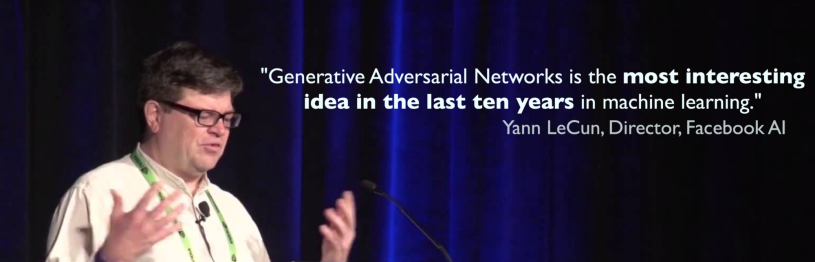
GANs are unsupervised machine learning models , which learns the distribution of the data through adverserial process and generate new sample from the learned distribution.
Some Recent Research in GAN
-
Stack GAN
Stack GAN can take a description of an image and can generate new images matching that description. GAN picks a sample from a distribution of images which matches the description.

-
iGAN
 iGANs can search for realistic possible image as the user draws the rough sketch.
Github
iGANs can search for realistic possible image as the user draws the rough sketch.
Github -
Pix2Pix
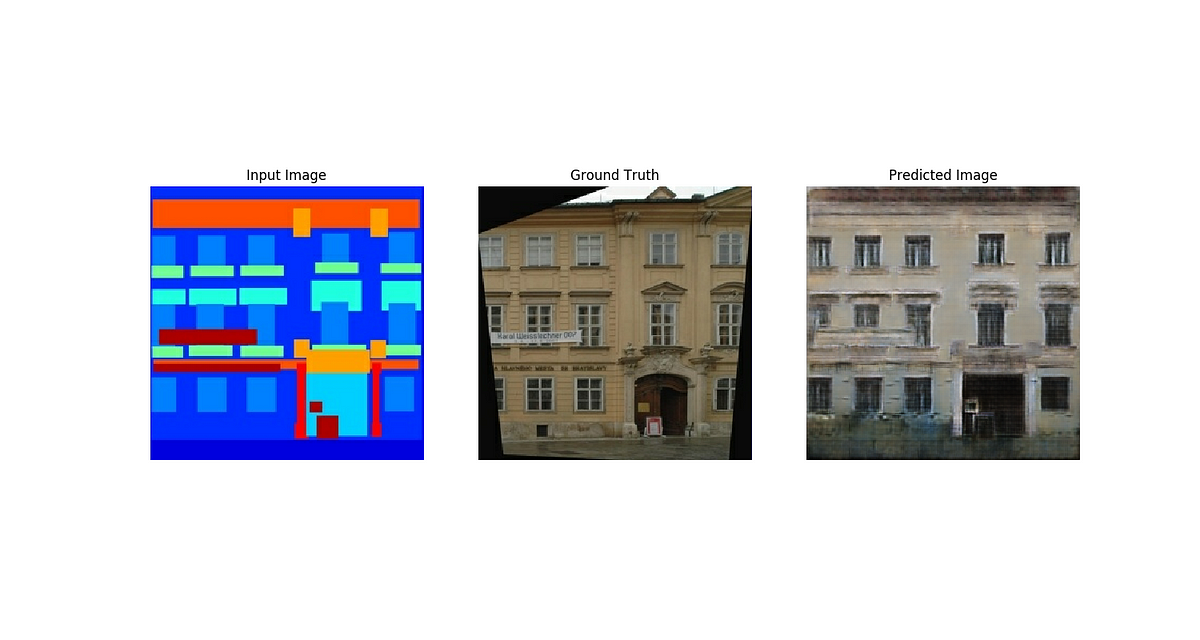
Images in one domain can be changed to image in another domain with GANS. Rough sketches can be made into a realistic image which are generated by GANs. Blue Prints of a building can be changed to an image of finished building with GANs.
 Github
 -
Many other applications like photos to cartoons, daylight image to night scene image, Cycle GAN.
Check out all of these Generative models.
In the next few posts, we will look deep into how GANs work and code GANs with PyTorch for different applications.
Citation
If you’d like to cite this post:
@misc{rajaa2019-gan-1,
  author = {Rajaa, Shangeth},
  title  = {{GAN 1: Introduction to Generative Adversarial Networks}},
  year   = {2019},
  url    = {https://shangeth.com/posts/gan-1},
  note   = {Blog post}
}